
What are the Different Types of DJs? A Guide
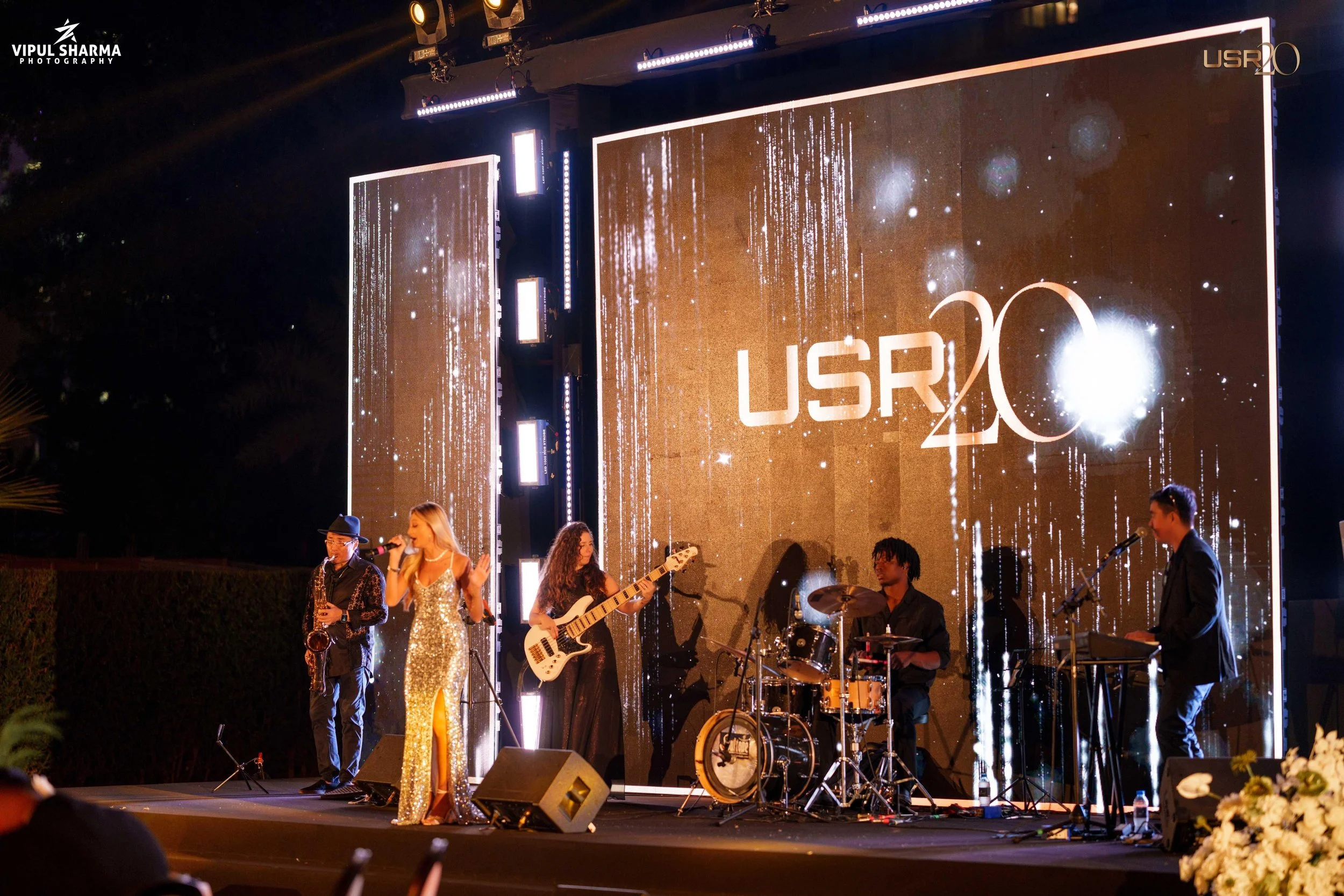
DJs sit at the heart of today’s music and entertainment scene. Their role has evolved far beyond pressing play. Modern DJs craft immersive musical journeys, energise crowds, and elevate events with skill, creativity, and personality. Whether you are planning a large event or a cultural wedding, they play an important role in every function.
The world of DJs is diverse, with each type offering unique abilities, strengths, and performance styles. Some DJs specialise in particular genres, such as hip-hop or house, while others focus on specific event types, such as weddings or festivals. This blog post helps you find a DJ who aligns with your event's atmosphere and expectations.
6 Different Types of DJs
There are several types of DJs, each with its own role, purpose, and way of connecting with the audience. Below are the 6 main types of entertainment you’ll likely encounter.
1. Mobile DJs
Mobile DJs are often overlooked but are vital to the music industry. They travel extensively, providing the perfect soundtrack for weddings, school dances, corporate events, and private parties. Unlike nightclub DJs, they are approachable, chat with guests, and often take requests, making the experience more personal. With regular bookings, mobile DJing remains one of the most reliable ways to earn a living in the industry.
2. Club DJs
As you know, club DJs are also responsible for maintaining the energy in lounges, nightlife venues, and nightclubs. Their job is to control the dance floor, read the crowd in real time, and keep high energy levels through seamless transitions and genre-blending techniques. They work with advanced mixers, effects, and software to keep a steady flow. While mobile and club DJs share some skills, their performance styles differ; club DJs focus more on creative mixing, build-ups, and sustaining the venue’s vibe deep into the night.
3. Wedding DJs
On the most important day of your life, it's crucial to ensure your DJ has the skills to get everyone dancing. Wedding DJs are seasoned disc jockeys hired to provide music and manage entertainment at a wedding reception. They must cater to ALL age groups, adjust to changing moods, and maintain a joyful, welcoming atmosphere. Compared to other DJs, wedding DJs prioritise organisation, versatility, and the ability to read emotional moments as well as musical ones.
4. Radio DJs
Radio DJs are the voice and personality of their stations. They build playlists, introduce songs, share stories, conduct interviews, and keep listeners engaged without ever seeing the audience. Live performance DJs adapt to the crowd’s energy in real time, while radio station DJs aim to keep a steady mood for their remote audience. They specialise in voiceovers, storytelling, timing, and maintaining a strong on‑air presence.
5. Bedroom DJs
A bedroom DJ is an amateur DJ who practices and mixes at home, typically as a hobby to improve their skills. It’s a good starting point, but bedroom DJs often lack the vital skills needed for events such as weddings and corporate events. It's an approachable entry into DJing, but mastering diverse crowds and professional equipment comes later
6. Turntablist/ Scratch DJs
Turntablism is an art form that requires precision, musicality, and years of practice. Turntablist is also called scratch DJs. They perform live on stage, using headphones, turntables, and mixers to create remixes, along with special effects. They often record videos of their routines and compete in tournaments like the DMC Championships. Their live routines usually include beat juggling, sampling, and intricate hand coordination.
Conclusion
DJs play crucial roles in shaping the experience, energy, and atmosphere of any event. From wedding specialists and mobile performers to club icons, radio hosts, scratch experts, and festival stars, each brings its own strengths. Understanding these differences helps you choose the perfect match for your event.
