
A Complete Guide to the Best Sources DJs Get Their Music From
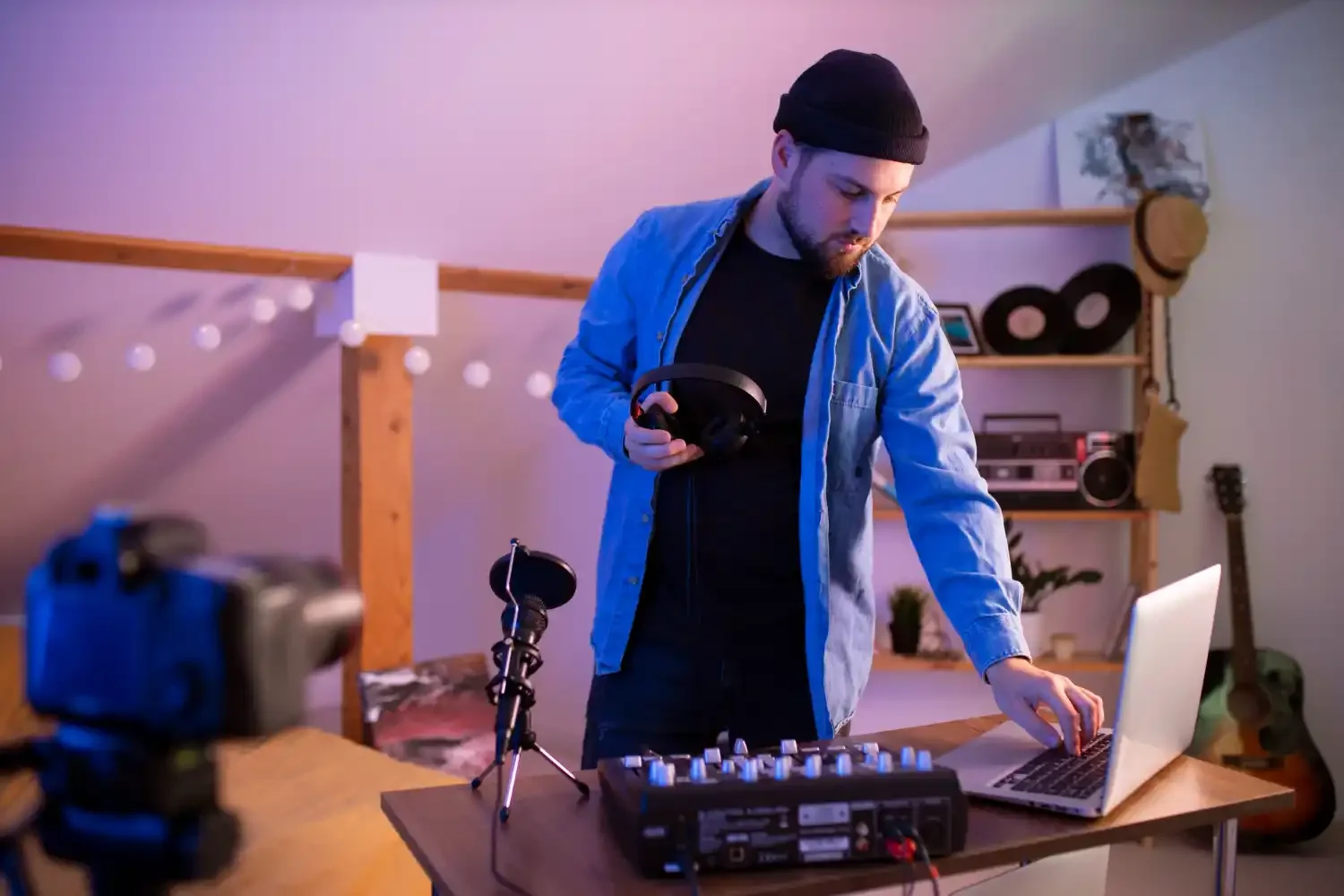
Ever wonder why DJs always have just the right song that matches the occasion? Where do they find all that music?
Is it Spotify, YouTube, Beatport, or any source you haven't heard about?
Most people assume that an answer will be relatively easy to determine. Professional DJs do not stick to one platform only. Instead, they build their music libraries from online stores, DJ record pools, artist releases, streaming sites, and exclusive promotional music. Each serves a particular objective, depending on the event type, genre, and audience.
If you are learning how to DJ or maybe you want to upgrade your music library, or you’re simply curious about how professionals always seem to have the perfect track ready, the first question is: where do DJs get their music from? This guide will explain the most trusted sources of music and their benefits for DJs, and which ones are ideal for your style.
Why DJs Don't Rely on Just One Music Source?
One of the common fallacies is that pro DJs create their music collections on a single platform. In reality, most users depend on several platforms because not all of them have all of the services they need. They choose music sources depending on the event, the audience, and the style of the performance.
For instance, a wedding DJ might be required to have chart-topping hits, clean edits, and throwback classics for every age. A club DJ, on the other hand, will be more inclined to focus on exclusive remixes, extended mixes, and new releases in the electronic field that keep their sets fresh. Many DJs use these libraries in combination, as they want to be ready for any kind of crowd.
The way DJs access music also varies. Some buy tracks individually, giving them permanent ownership and guaranteeing access to the tracks offline. Others sign up to DJ record pools or streaming services that are compatible to listen to a greater selection of music and catch up on new releases. Many pros will mix these two sources. They buy the tracks they rely on a regular basis, and access tracks on subscription to find new music and add to their library.
In addition to availability, other aspects affecting music sources include audio quality, exclusive content, track edits, and reliability of performance. The higher-quality files will render better on the professional sound system, while record pools will have clean, intro, and extended versions that are specifically made for live mixing. With several music sources, DJs create a wide and dependable collection of music to ensure they are ready for everyday performance.
The Best Places DJs Get Their Music From
Professional DJs don't use a single resource for their music. Rather, they use a variety of platforms to create a library that appeals to their various events, genres, and audiences. Some are best for purchasing high-quality songs, others for exclusive releases or DJ edits, or for finding independent artists.
Online Music Stores
One of the most reliable places where DJs can purchase their music is online music stores. Track buying offers permanent access to tracks, seamless offline playback, and top-notch audio for live performances. Electronic music fans will turn to platforms such as Beatport, while other digital stores have mainstream and genre-specific music, making them a great choice for adding to a music library over time.
DJ Record Pools
The DJ record pools are subscription services formulated just for DJs. Members are not required to purchase songs separately. They can download a large library of songs, such as chart-toppers, classics, and exclusive DJ edits. Many pools also offer clean versions, intro edits, and extended mixes of songs that make transitions smoother during live sets. DJ Record Pools are helpful for wedding, mobile, and open format DJs.
Independent Artist Platforms
Independent artist sites provide DJs with music that could not be found on major stores. Artists sell their music directly to fans on platforms such as Bandcamp. They can offer high-quality downloads and exclusive releases. They make an excellent choice for DJs looking to explore and connect with new artists, support independent musicians, and curate a more unique music library.
Streaming Services
Streaming music has proven itself to be useful in finding new music and discovering new genres. Others have built-in compatibility with other DJ software, which aids in testing tracks before buying them. Still, many pro DJs purchase the songs that they play to guarantee that they can play them offline and have consistent audio quality.
Direct Label & Artist Promos
Prior to the release of a song, record labels and artists will typically send out a promotional release, or promos, to DJs. These early releases serve as a way for DJs to introduce the music to listeners before it's released, and for artists to generate exposure. Building good relationships with labels/producers can also result in access to exclusive tracks that may not be sold in public music stores.
Vinyl Records & Second-Hand Collections
In today's digital age, vinyl is a great resource for rare and classic tunes. Many DJs like to go into record shops and second-hand shops to hunt for songs that don't exist digitally. For genres like funk, soul, disco, jazz, and classic hip-hop, vinyl offers the authenticity and exclusivity that can't be matched by digital platforms.
How Do Professional DJs Discover New Music?
Finding music is only part of the process. Professional DJs are always looking for fresh songs to play in their sets to make sure that the songs aren't the same as the other DJs'. Instead of trusting their luck, they use a number of trusted sources to find new releases before they add them to their music libraries.
Music Charts
One of the easiest ways to find popular songs is by genre-specific charts. Platforms like Beatport Charts, the Billboard chart, and Spotify Charts show the popular releases. This will help DJs select trending songs that their listeners will enjoy.
Record Labels
The easy method to find music from artists with a comparable sound is to follow record labels. Many labels will release tracks in specific genres, making them a good choice to find new producers, remixes, and new releases before they become widely known.
Artist Releases
Numerous DJs subscribe to the channels of their artist of choice on sites such as Bandcamp, SoundCloud, and other platforms to keep up with fresh singles, EPs, remixes, and exclusive releases. This allows them to listen to new music when it's available.
Recommendations & Algorithms
Digital music stores and streaming platforms suggest songs based on your tastes and previous purchases. These personalised recommendations can help to find similar artists and many songs, which may not be found with a manual search.
DJ Communities
Music communities, forums, and social media groups are useful areas to share music suggestions and discuss new music. Experienced DJs may give tips on the best songs, new artists, and record labels to expand music libraries.
Festivals & Live Performances
Festivals and club events are great avenues to find unreleased tracks and popular songs. Some DJs discover music after hearing a track that resonates with them by watching a live set or hearing about a track in a music app.
How to Choose the Right Music Source for Your DJ Style?
Getting DJ music will depend on the type of music and location. Whether you're a wedding DJ looking for chart hits and crowd favorites, or a club DJ seeking out exclusive releases and extended mixes, having access to a library of these titles is essential. You can create a music library that is useful and relevant by using a music source that suits your style.
| DJ Type | Best Music Source | Why |
|---|---|---|
| Beginner | DJ Record Pools + Streaming Services | Record pools provide DJ-friendly edits and a wide music selection, while streaming services let you explore different genres before investing in downloads. |
| Club DJ | Online Music Stores + Label Promos | Purchase high-quality audio files and access exclusive label promos to stand out with fresh, professional-quality sets. |
| Wedding DJ | DJ Record Pools | Perfect for accessing chart hits, clean edits, throwbacks, and extended mixes that appeal to guests of all ages. |
| Open-Format DJ | Record Pools + Online Music Stores | Combining both sources gives you mainstream hits, remixes, classics, and genre-specific tracks for maximum flexibility. |
| Electronic DJ | Online Music Stores + Independent Artist Platforms | Platforms like Beatport and Bandcamp offer underground releases, niche genres, and high-quality downloads popular with electronic DJs. |
No one music source is the best for all DJs. Many professionals mix and match to achieve a balance of discovery, sound, exclusives, and ownership. The right mix depends on your genre, budget, and the kind of events that you perform at.
Conclusion
The right choice of music depends on the genres you play, the kind of events you perform at, and your budget.
Many professional DJs use several sources to create a full and complete music library. They might buy well-made playback music from digital music shops, obtain music from record pools that offer music cuts for DJs, find out about independent artists on websites such as Bandcamp, and follow labels for exclusive promos. This gives more variety, flexibility, and confidence when performing.
As your DJ career grows, so will your music collection. With the help of these reliable and authentic music sources, you can create a wide collection of music that not only sounds good but also makes your sets memorable.
